Posted on Leave a comment

Zero Based Budgeting for Teenagers Explained Simply: A Real-Life Money Reset Story

Zero Based Budgeting for Teenagers Explained Simply: A Real-Life Money Reset Story

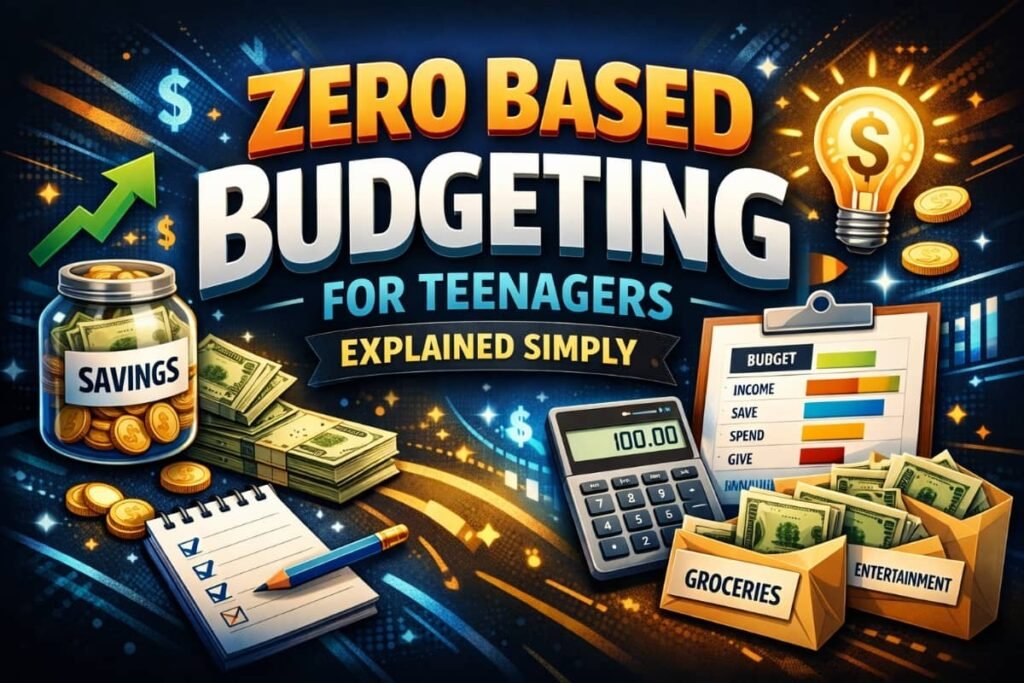
Zero Based Budgeting for Teenagers Explained Simply means deciding where every single dollar goes before you spend it — so money stops disappearing and starts working for you. This simple system helped me go from constantly feeling broke to feeling confident, calm, and in control of my money. I didn’t earn more, I just learned how to give my money purpose — and that changed everything.

If you want a formal definition, zero-based budgeting is explained clearly here on Investopedia

I wasn’t bad with money because I was irresponsible. I was bad with money because no one ever taught me how it actually works. What follows isn’t a textbook explanation. It’s my real story — mistakes, frustration, breakthroughs — and a simple system that finally made money feel clear, calm, and empowering.

Zero Based Budgeting for Teenagers Explained Simply: Why It Finally Made Sense to Me

I still remember opening my banking app at 17 and feeling that familiar pit in my stomach.

I had a part-time job. I didn’t have rent. I didn’t have bills.

So why was my balance always close to zero?

Every paycheck followed the same pattern:

  • First few days: freedom
  • Next week: confusion
  • End of the month: panic

Money wasn’t gone — it had just leaked away quietly. Snacks after school. A game download. Random online purchases. None of it felt big enough to worry about… until it all added up.

The emotional part surprised me most. I didn’t feel lazy or careless. I felt out of control. And that feeling followed me everywhere.

That’s when I learned the most important lesson of all:

Money problems are rarely about math. They’re about clarity.

What Is Zero Based Budgeting (In Teen Language)?

Let’s strip away the intimidating finance words.

Zero-based budgeting simply means this:

You decide where every dollar goes before you spend it — until your balance hits zero.

Important clarification:
“Zero” doesn’t mean you spend everything.
It means every dollar is assigned a purpose.

Some dollars go to:

  • Spending
  • Saving
  • Giving
  • Future goals

When the money arrives, you tell it where to go. Not the other way around.

For the first time, I wasn’t reacting to money.
I was directing it.

The Moment It Finally Clicked for Me

The breakthrough didn’t happen in a classroom. It happened at my desk, late at night, with a cheap notebook and a pen.

I wrote down:

  • My monthly income
  • Every place my money could go

Then I did something radical for a teenager:

I planned my spending before I had the money.

That single moment changed everything.

Suddenly:

  • I stopped feeling guilty when I spent
  • I stopped feeling anxious checking my balance
  • I stopped guessing and started choosing

Zero-based budgeting gave me something I’d never had before — permission with boundaries.

How Zero Based Budgeting Actually Works (Step by Step)

Step 1: Know Exactly How Much Money You Have

This includes:

  • Allowance
  • Part-time job income
  • Gift money (if regular)

Use the lowest predictable number. Overestimating is how budgets fail.

Step 2: List Your Real-Life Categories

Forget complicated charts. Mine looked like:

  • Snacks & food
  • Entertainment
  • Transport
  • Saving
  • Fun money
  • Gifts

The rule: If you spend it, it gets a category.

Step 3: Assign Every Dollar a Job

If you earn $200:

  • $60 snacks
  • $40 entertainment
  • $50 savings
  • $30 transport
  • $20 fun buffer

$200 – $200 = zero

No unassigned money = no mystery stress.

This idea of assigning every dollar a purpose is also echoed in basic budgeting guidance from MoneyHelper’s official budgeting advice in the UK

Step 4: Track Gently, Not Obsessively

I didn’t log every cent. I checked weekly.

Progress beats perfection every time.

Why This Method Works So Well for Teenagers

Teen life is unpredictable. Schedules change. Friends invite you out at the last minute. Impulse buys happen.

Zero-based budgeting works because it’s flexible but intentional.

You’re not saying “I can’t spend.” You’re saying, “I already decided.”

That mindset shift is everything.

Even government education programs now emphasize early money habits — the Consumer Financial Protection Bureau’s teen money resources reinforce why learning budgeting young builds lifelong confidence

How Zero Based Budgeting Helped My Confidence (Not Just My Wallet)

Here’s something no one talks about:

Money clarity builds self-trust.

When I followed my budget:

  • I felt mature
  • I felt capable
  • I felt proud

I stopped hiding purchases. I stopped avoiding my balance. I stopped feeling behind.

Confidence doesn’t come from having more money. It comes from knowing what you’re doing with what you have.

Common Mistakes Teens Make (I Made Them All)

1. Being Too Strict

If you don’t allow fun money, the budget collapses. Fun isn’t the enemy. Guilt is.

2. Forgetting Irregular Expenses

Birthdays. School events. Random costs. Build a “future stuff” category.

3. Giving Up After One Bad Week

One mistake doesn’t mean failure. It means learning.

Budgeting is a skill — not a personality trait.

Australian youth finance programs agree that mistakes are part of learning — ASIC MoneySmart’s budgeting guides emphasize adjusting instead of quitting

How Parents Can Support Without Controlling

If you’re a parent reading this, here’s the truth:

Control creates rebellion. Guidance builds confidence.

What helped me most wasn’t rules. It was a conversation.

Helpful support looks like:

  • Asking questions, not giving lectures
  • Letting teens make small mistakes
  • Celebrating effort, not perfection

Money habits stick when teens feel respected.

Real-Life Example: My First Savings Win

Three months into zero-based budgeting, something wild happened.

I had money left over.

Not accidentally. On purpose.

I saved for something specific — no borrowing, no stress.

That moment taught me:

Planning feels better than impulse, every time.

Why Schools Don’t Teach This (And Why That’s Okay)

Most schools teach math. Few teach money behavior.

That gap isn’t your fault.

The good news? You don’t need a class. You need a system — and practice.

Zero-based budgeting is simple enough to learn young and powerful enough to last a lifetime.

How to Start Today (Even If You’re Overwhelmed)

Start messy. Start small. Start honest.

All you need:

  • One page
  • One income number
  • A few categories

You don’t need perfection. You need clarity.

Frequently Asked Questions (FAQs)

1. Is zero based budgeting too complicated for teenagers?

No. It’s actually simpler than traditional budgeting because it removes guesswork.

2. Do I need an app to use zero based budgeting?

No. Paper works. Notes apps work. Apps are optional — clarity is not.

3. What if my income changes every month?

Budget based on the minimum you expect. Adjust when extra comes in.

4. Can zero based budgeting help with saving?

Yes — saving becomes intentional, not accidental.

5. How long does it take to see results?

Most teens feel calmer within the first month. Confidence builds fast.

Read Also: From Broke to Building My Dreams: 15 Pocket Money Hacks Every Student Must Know

Final Thoughts: Why I Wish I’d Learned This Earlier

If I could go back and tell my teenage self one thing, it would be this:

Money isn’t scary when you give it direction.

Zero Based Budgeting for Teenagers Explained Simply isn’t just about dollars. It’s about freedom. Confidence. Choice.

And the best part?

You don’t need more money. You just need a plan.

If you’re a teenager reading this — or a parent guiding one — start today. One page. One decision. One step toward a calmer financial future.

You’ve got this.
About UsNovember 22, 2025Pradeep Maurya
CartNovember 23, 2025Pradeep Maurya
Contact UsNovember 22, 2025Pradeep Maurya
Posted on Leave a comment

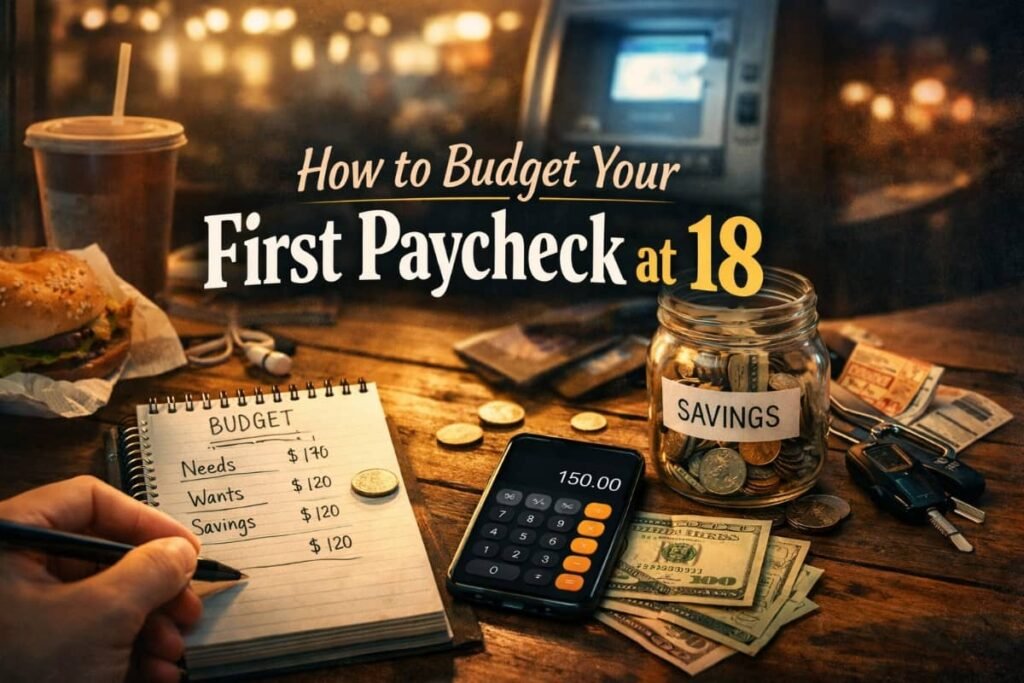
How to Budget Your First Paycheck at 18 (A Real-Life Beginner Guide)

How to Budget Your First Paycheck at 18

How to budget your first paycheck at 18 comes down to one simple truth: decide where your money goes before it disappears. When I got my first paycheck at 18, I thought having money meant freedom — until it was gone in days and I felt stressed, embarrassed, and completely unprepared. This guide isn’t theory or finance jargon. It’s the exact process I learned the hard way, step by step, to take control of my money early and avoid the mistakes most people don’t fix until their 30s.

I didn’t budget my first paycheck at 18. I spent it. Fast. And then I wondered why I was stressed, broke, and embarrassed two weeks later. What follows is the real, human process I went through to finally learn how to budget my first paycheck at 18 — not perfectly, but well enough to change my life.

When I finally accepted that I needed help, I started looking into basic budgeting skills for beginners and realized how little I had actually been taught about money growing up. Budgeting wasn’t something I failed at — it was something I was never shown how to do properly.

How to Budget Your First Paycheck at 18 When You’ve Never Managed Money Before

I still remember the sound of the ATM receipt printing. That thin paper felt like proof I was finally an adult. I was 18, freshly employed, and convinced that money problems were something older people dealt with.

That first paycheck felt huge. Not because it was huge — it wasn’t — but because it was mine. I earned it. Every shift, every annoying customer, every late night.

Here’s what no one told me:
Your first paycheck isn’t just money. It’s a test.

A test of impulse.
A test of priorities.
A test of whether in the future-you gets a voice… or gets ignored.

I failed that test spectacularly.

What surprised me most was learning that my mistakes weren’t unique. So many young people struggle because they’ve never been exposed to real money management tips for teenagers, especially when school focuses more on exams than everyday life skills.

Why Budgeting at 18 Feels Awkward (and Why That’s Normal)

Let’s be honest. When you’re 18, budgeting feels weird.

You don’t have a mortgage.
You’re not thinking about retirement.
You just want to enjoy finally having cash.

I remember thinking, “I’ll budget later. Right now, I deserve this.”

And yes — you do deserve to enjoy your money. But here’s what I learned the hard way:

Budgeting isn’t about restriction. It’s about permission.

A budget doesn’t say “you can’t.”
It says, “you can — without guilt or fear.”

Once I understood that, everything shifted.

How I Blew My First Paycheck (So You Don’t Have To)

I wish I could tell you I spent my first paycheck wisely. I didn’t.

I bought clothes I didn’t need.
I ate out constantly.
I said yes to everything because I finally could.

Two weeks later, I had:

  • No savings
  • No emergency cushion
  • A mild panic attack when my card declined

That moment — standing in line, pretending I wasn’t embarrassed — was my wake-up call.

Money disappears faster when it has no plan.

That was the moment I decided I needed to learn how to budget my first paycheck at 18 — properly this time.

How to Budget Your First Paycheck at 18 (The Simple System That Saved Me)

Step 1: Start With One Honest Question

Before spreadsheets. Before apps. Before rules.

Ask yourself:
“What do I want my money to do for me?”

At 18, my answer was simple:

  • I wanted less stress
  • I wanted some freedom
  • I wanted to stop feeling broke all the time

That clarity matters more than any budgeting method.

Step 2: Pay Yourself First (Even If It’s Tiny)

This was the hardest lesson — and the most powerful.

The first time I tried saving, I waited until the end of the month. There was nothing left.

So I flipped it:

  • The moment I got paid
  • I moved 10% into savings
  • No debate. No excuses.

Sometimes it was $20. Sometimes $40.

It didn’t matter.

What mattered was the habit.

Saving first taught me that future-me mattered just as much as present-me.

I still remember staring at my pay stub and wondering why my first paycheck looked smaller than expected. Nobody explained taxes, deductions, or why my “hourly rate” didn’t match what landed in my account.

Step 3: Use the “Four Buckets” Method (No Math Degree Required)

This is the method that finally stuck for me.

I split my paycheck into four simple buckets:

1. Needs

  • Phone bill
  • Transport
  • Basic food
  • Anything required to live/work

2. Fun

  • Eating out
  • Entertainment
  • Clothes
  • Random joys

3. Savings

  • Emergency fund
  • Short-term goals
  • Long-term peace of mind

4. Giving / Flex

  • Gifts
  • Helping family
  • Unexpected stuff

No complex percentages.
No guilt.

Just awareness.

The first real test of my budget came when something unexpected happened. That’s when I truly understood the importance of building an emergency fund early — not as a financial rule, but as emotional protection against panic and debt.

What Budgeting at 18 Taught Me About Self-Respect

This part surprised me.

Once I started budgeting, something strange happened:
I felt… calmer.

Not richer.
Not perfect.

Just calmer.

Budgeting taught me:

  • To pause before spending
  • To think before reacting
  • To respect my own effort

Every dollar represented an hour of my life.

That realization changed everything.

How Much Should You Save From Your First Paycheck at 18?

This is one of the most searched questions — and here’s the honest answer:

Save what you can without quitting.

For me:

  • Some weeks it was 5%
  • Some weeks it was 15%

The goal wasn’t perfection.
The goal was consistency.

If saving feels painful, you won’t stick with it.
If it feels doable, you’ll build momentum.

Once I understood why saving early matters, even small amounts felt powerful. Saving $20 didn’t seem pointless anymore — it felt like proof that I was finally thinking ahead instead of just surviving payday to payday.

Budgeting Mistakes I Still See 18-Year-Olds Making

I mentor younger coworkers now, and I see the same mistakes I made.

Mistake 1: Waiting to “make more money”

You don’t need more money.
You need more clarity.

Mistake 2: Copying someone else’s budget

Your life isn’t their life.
Your budget should fit you.

Mistake 3: Being too strict

Budgets that don’t allow fun don’t survive.

How to Budget Your First Paycheck at 18 Without Feeling Miserable

Here’s the secret no one says out loud:

If your budget feels like punishment, it’s broken.

Your budget should:

  • Let you enjoy your money
  • Reduce stress
  • Give you confidence

Mine finally worked when I:

  • Scheduled fun spending
  • Forgave small mistakes
  • Focused on progress, not perfection

The Moment I Realized Budgeting Was Changing My Life

About six months in, my phone broke.

Old me would’ve panicked.
New me opened my savings and paid for it.

No stress.
No borrowing.
No shame.

That was the moment I realized budgeting wasn’t about money.

It was about freedom.

How Budgeting Early Gave Me a Head Start Most People Never Get

Starting at 18 gave me something priceless: time.

Time to:

  • Learn without huge consequences
  • Build habits slowly
  • Make mistakes cheaply

Most people don’t learn this until debt forces them to.

You don’t need to be perfect.
You just need to start early.

How to Budget Your First Paycheck at 18 Using Just Your Phone

If you’re wondering how to actually track things, here’s what worked for me:

  • One notes app
  • One weekly check-in
  • One simple list:
    • Money in
    • Money out
    • What’s left

That’s it.

You don’t need fancy tools.
You need honesty and consistency.

Frequently Asked Questions (FAQs)

1. How should an 18-year-old budget their first paycheck?

Start simple. Save a small portion first, cover essentials, allow guilt-free fun, and track everything weekly.

2. Is it really necessary to budget at 18?

Yes — not because you have big bills, but because habits form fast. Early budgeting builds lifelong confidence.

3. How much money should I save from my first job?

Aim for 5–20%. Any amount saved consistently matters more than the number.

4. What’s the easiest budgeting method for beginners?

The four-bucket method (Needs, Fun, Savings, Flex) is simple and flexible.

5. What if I mess up my budget?

You will. Everyone does. Adjust, forgive yourself, and keep going.

Read Also : How to Save Money As a Teenager With No Job

Final Thoughts: Your First Paycheck Is Bigger Than Money

Learning how to budget your first paycheck at 18 isn’t about becoming boring or restrictive.

It’s about:

  • Respecting your effort
  • Protecting your future
  • Giving yourself options

I didn’t get it right the first time.
Or the second.

But I started — and that changed everything.

If you’re holding your first paycheck right now, remember this:

You’re not just earning money. You’re learning how to handle freedom.And that skill?
It’s worth more than the paycheck itself.

About UsNovember 22, 2025Pradeep Maurya
CartNovember 23, 2025Pradeep Maurya
Contact UsNovember 22, 2025Pradeep Maurya
Posted on Leave a comment

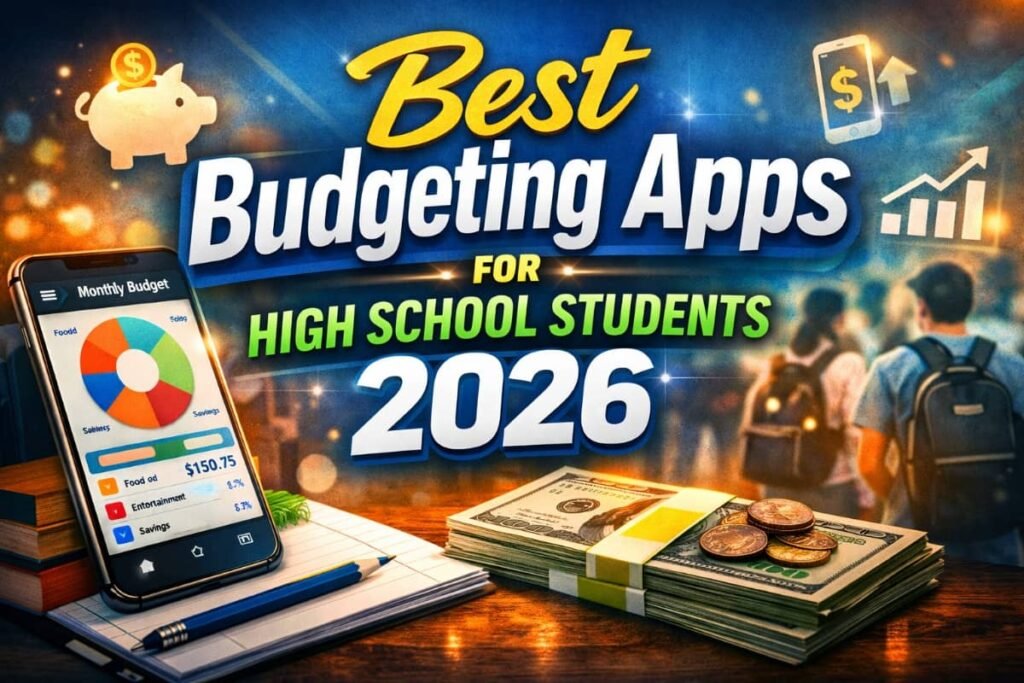
Best Budgeting Apps for High School Students 2026: A Real-Life Money Reset

Best Budgeting Apps for High School Students 2026

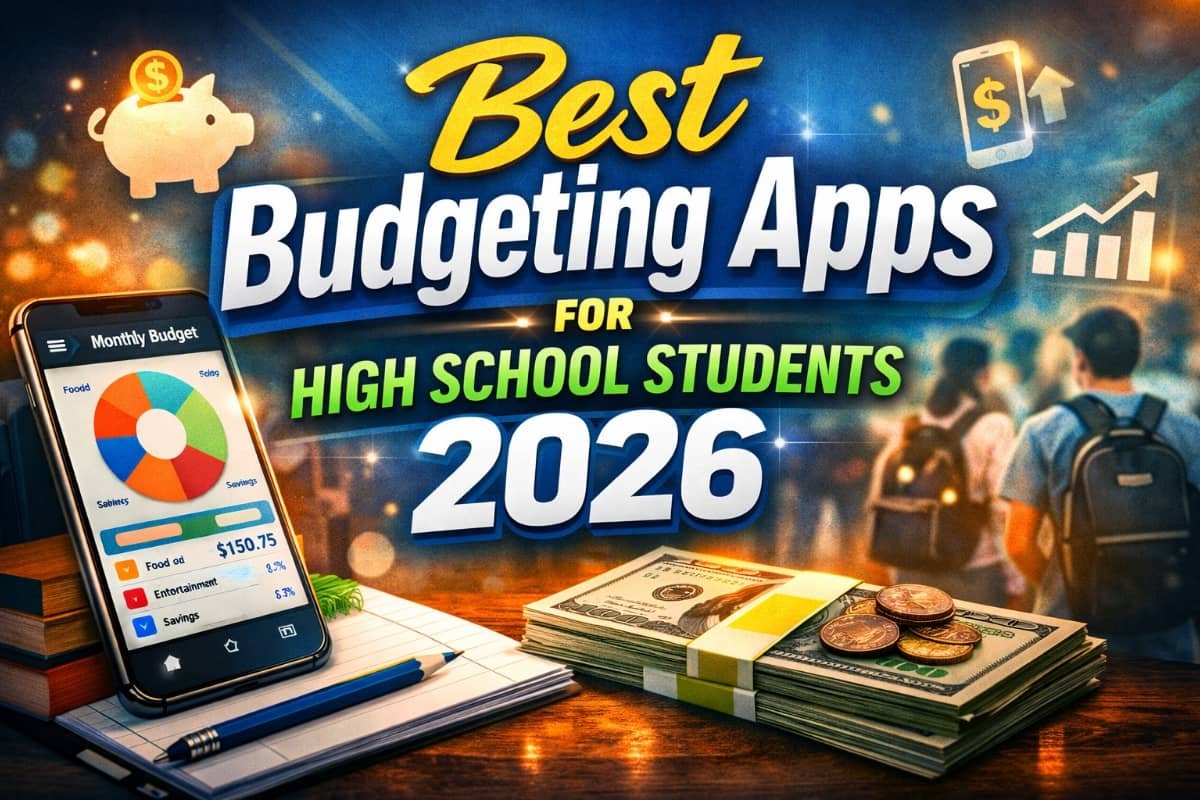
Best budgeting apps for high school students 2026 saved my future before I even realized I needed saving.

That’s not an exaggeration. In fact, if you’re a high school student (or a parent reading this late at night, worried about your teen’s money habits), here’s the fast answer you came for:

The best budgeting apps for high school students in 2026 are simple, visual, bank-connected tools that teach real-life money skills without shame, overwhelm, or adult-level complexity.

Now let me tell you why I believe this so deeply—and how I learned it the hard way.

Why the Best Budgeting Apps for High School Students 2026 Matter More Than Ever

I still remember standing in line at a convenience store after school. My friends were grabbing snacks. I reached into my pocket and felt… nothing. Again.

I had an allowance. I had birthday money. I even had a part-time job.
But somehow, I never had money when it mattered.

I wasn’t irresponsible. I was untrained.

That realization hit even harder later when I learned how little access most teens have to basic money skills for teens.

No one taught me how to budget. No one showed me how to track spending. And every “finance” article I found felt like it was written for a 35-year-old accountant, not a confused teenager just trying to make $40 last a week.

Everything changed the day I downloaded my first budgeting app. Not because it was perfect—but because it made money visible. Everything changed the day I downloaded my first budgeting app and finally saw my money clearly.

That’s why this list exists.

This isn’t a sterile comparison chart.
This is a real-world, story-driven guide to the best budgeting apps for high school students in 2026, written for teens who want freedom—and parents who want confidence.

What Actually Makes a Budgeting App Good for High School Students?

Research on financial literacy for teens consistently shows that habits formed before adulthood stick far longer than anything learned later.

Before we jump into specific apps, let’s get honest.

Most budgeting apps fail teens because they:

  • Assume adult salaries
  • Use financial jargon
  • Shame you for “bad spending”
  • Feel boring or intimidating

Through years of trial, error, and mentoring younger students, I’ve learned that the best budgeting apps for high school students in 2026 share five core traits:

1. They Are Visual (Not Spreadsheet-Based)

Teens don’t need rows and columns. They need charts, progress bars, and “aha” moments.

2. They Encourage, Not Punish

If an app makes you feel guilty, you’ll delete it. Period.

3. They Work With Small Amounts

$20. $50. $100. Real teen money—not imaginary adult budgets.

4. They Teach Without Lecturing

The best apps coach quietly.

5. They Grow With You

High school turns into college fast. The app should scale with your life.

Keep these in mind as we explore the top tools below.

The Best Budgeting Apps for High School Students 2026 (Real Use, Real Results)

Below are the apps I’ve seen actually change behavior—not just look good in the app store.

1. — The First App That Made My Spending Click

Why Mint Still Works in 2026

Mint was the first budgeting app that showed me where my money was going without judgment.

I remember linking my account and watching categories auto-fill. Snacks. Music. Random stuff I forgot buying. It was uncomfortable—but powerful.

What Makes Mint Great for High School Students

  • Free and widely available
  • Automatic transaction tracking
  • Clear spending categories
  • Strong visual summaries

Real-Life Lesson I Learned

When I saw that $5 here and $7 there added up to $120 a month, I stopped saying “I don’t know where my money goes.”

Mint taught me awareness before discipline.

Best For:

High school students who want a simple, no-cost introduction to budgeting.

2. — Learning With Training Wheels (And That’s a Good Thing)

My Turning Point With Greenlight

I helped my younger cousin set up Greenlight. Watching him learn budgeting at 14—without stress—was eye-opening.

Greenlight is what I wish I had earlier.

Why Greenlight Shines in 2026

  • Parent-connected debit card
  • Built-in spending limits
  • Real-time notifications
  • Savings goals with rewards

The Hidden Superpower

Greenlight turns budgeting into a conversation, not a confrontation, between parents and teens.

Best For:

Families who want guided independence instead of total freedom.

3. — The Confidence Booster App

Why Step Feels Different

Step doesn’t feel like a “kids app.” And that matters.

When teens feel trusted, they act responsibly.

What Step Does Well

  • Teen-friendly banking
  • Easy budgeting views
  • No overdraft stress
  • Credit-building features (future-focused)

Personal Reflection

Confidence is a financial skill. Step gives teens that feeling of “I’ve got this.”

Best For:

High school students who want freedom with guardrails.

4. — The App That Turned Me Into a Planner

The App I Graduated Into

YNAB wasn’t my first app. But it was the one that changed my mindset.

Why YNAB Works (If You’re Ready)

  • Zero-based budgeting
  • Intentional money planning
  • Strong education focus
  • Long-term skill building

The Emotional Shift

YNAB taught me to give every dollar a job.
Money stopped being scary—and started being purposeful.

Best For:

Older high school students who want deep financial control.

5. — Building Habits Early

Why GoHenry Matters

I’ve seen 12-year-olds use GoHenry better than some adults manage money.

Key Strengths

  • Age-appropriate lessons
  • Chores + earning system
  • Gamified saving
  • Parent oversight

Big Lesson

Money habits formed early last a lifetime.

Best For:

Younger high schoolers or middle schoolers preparing ahead.

How to Choose the Right Budgeting App (Based on Personality, Not Hype)

Here’s something most articles won’t tell you:

The “best” app is the one you’ll actually use.

Ask yourself:

  • Do I want freedom or structure?
  • Do I need parental guidance?
  • Am I visual or analytical?
  • Do I want quick wins or deep planning?

Simple Matching Guide

  • Overwhelmed? → Mint
  • Need guidance? → Greenlight
  • Want independence? → Step
  • Love planning? → YNAB
  • Just starting out? → GoHenry

Mistakes I Made With Budgeting Apps (So You Don’t Have To)

Mistake #1: Trying Too Many Apps at Once

More apps ≠ better results.

Mistake #2: Obsessing Over Perfection

Budgeting isn’t about being flawless—it’s about being aware.

Mistake #3: Ignoring Emotions

Spending is emotional. Good apps respect that.

How Budgeting Apps Changed My Life (Beyond Money)

This is the part no one talks about.

Budgeting didn’t just help me save money. It helped me:

  • Say no without guilt
  • Plan for goals confidently
  • Reduce anxiety
  • Trust myself

Money stopped being a mystery—and became a tool.

I later learned that learning money habits early affects confidence, decision-making, and even mental health well into adulthood.

FAQs: Best Budgeting Apps for High School Students 2026

1. Are budgeting apps safe for high school students?

Yes, especially apps designed for teens with parental controls and bank-level security.

2. Do high school students really need budgeting apps?

Absolutely. Learning money skills early prevents lifelong stress later.

3. What is the easiest budgeting app for beginners?

Mint and GoHenry are the easiest for first-time users.

4. Can budgeting apps help with saving for college?

Yes. Apps like YNAB and Greenlight help set and track long-term goals.

5. Should parents monitor teen budgeting apps?

In early stages, yes. Over time, shared visibility builds trust and independence.

Read Also: How to Start a Budget as a 16 year Old with no job (My Real Journey)

Final Thoughts: Your Money Story Starts Earlier Than You Think

If you’re reading this as a student, hear me clearly:

You are not bad with money.
You are simply at the beginning of your story.

And if you’re a parent: giving your teen a budgeting app isn’t about control—it’s about confidence.

The best budgeting apps for high school students 2026 aren’t just tools.
They are training grounds for independence.

Start small. Stay consistent.
Your future self will thank you—quietly, confidently, and financially free.

If this article helped you, share it with someone who’s standing in line, checking their pockets, wondering where their money went.I’ve been there.
You don’t have to stay there.

About UsNovember 22, 2025Pradeep Maurya
CartNovember 23, 2025Pradeep Maurya
Contact UsNovember 22, 2025Pradeep Maurya
Posted on Leave a comment

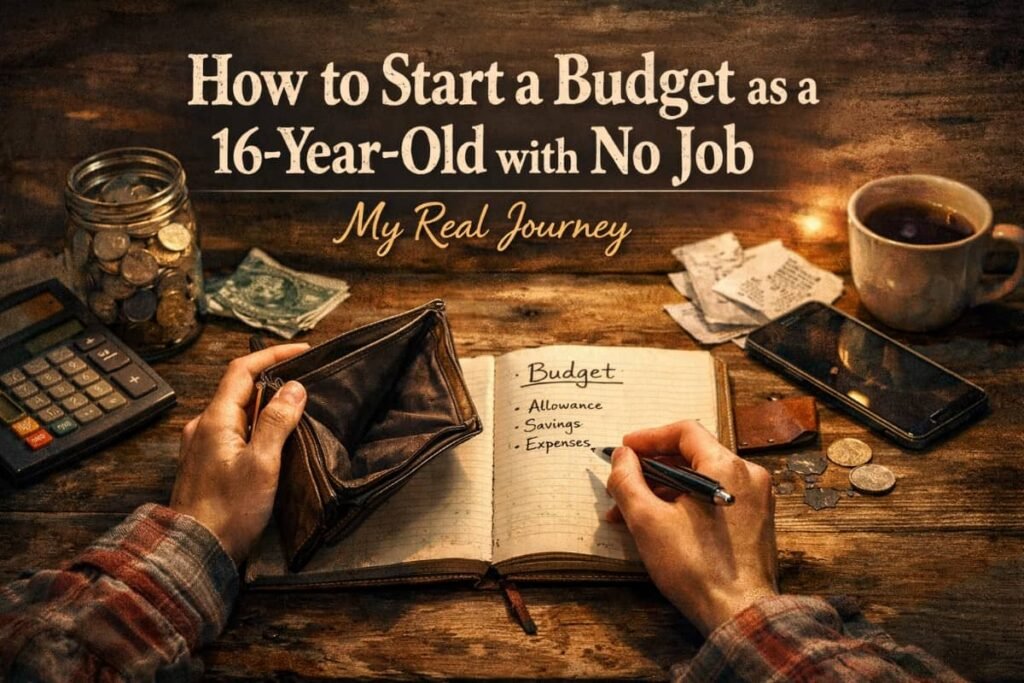
How to Start a Budget as a 16 year Old with no job (My Real Journey)

How to Start a Budget as a 16-Year-Old with No Job

I still remember the moment I realized I needed to learn how to start a budget as a 16 year old with no job. It was a rainy Saturday in October, and I was staring at an empty wallet after spending all my birthday money on sneakers I thought I needed to fit in. My phone bill was overdue (thankfully my mom covered it most months), I owed a friend $15 for pizza, and I felt embarrassed and overwhelmed. 

I had no job, no steady income—just random birthday cash, holiday gifts, and the occasional $20 from helping my uncle with yard work. That moment taught me something important: even without a job, learning to budget early can completely change your future.

That night, I decided enough was enough. Here’s the quick truth I wish someone told me sooner: You can start a budget right now, even with zero regular income. Track every dollar that comes in (allowance, gifts, odd jobs), categorize what you spend, set simple goals like saving 50% of whatever you get, and adjust as you go. It sounds basic, but it changed everything for me. Within six months, I had $400 saved—enough for my first cheap used phone without begging my parents. This is my real story of how I went from impulse-spending chaos to feeling empowered with money, and how you can too.

Why I Decided to Learn How to Start a Budget as a 16 Year Old With No Job

Picture this: I’m in my room, scrolling through friends’ posts about new clothes and concerts, feeling left out. But every time money hit my hands—$50 from Grandma’s birthday card—it vanished in days on snacks, games, and “just this once” treats. I wasn’t poor; I just had no plan.

The turning point came when I wanted a gaming headset everyone was raving about. It was $80. I had $0 saved. Asking Mom again felt humiliating. That’s when vulnerability hit hard—I realized if I didn’t learn to manage the little I had, I’d never handle more later. Budgeting isn’t about restriction; it’s about freedom. Freedom to say yes to things that matter without guilt.

For a 16-year-old with no job, your “income” might be irregular: weekly allowance, birthday cash, holiday money, or small payments from chores. The key is treating it like real money. Start by listing every source. For me, it was a $25 weekly allowance (for chores) plus random extras. Average it out monthly—say $100–$150. That’s your starting point.

Step 1: Track Your Money In and Out (The Eye-Opener)

I started simple—no fancy apps at first. Just a notebook. For two weeks, I wrote down every single thing I spent: $3.50 on a soda, $10 on lunch with friends, even the $1 vending machine snack.

What shocked me? Those “small” buys added up to $60 in a month—more than half my average cash! Tracking showed me the leaks: impulse snacks, group hangouts I could do cheaper.

Actionable tip: Use your phone notes or a free app like a basic one (Mint works for older teens, or just Google Sheets). Categorize like this:

  • Needs (if any—phone top-up, school supplies)
  • Wants (fun stuff)
  • Savings

This awareness alone made me pause before spending. Suddenly, “Do I really need this?” became my mantra.

Step 2: Set Realistic Goals (Even When Money Feels Tiny)

My first goal was tiny: save $50 for a new pair of headphones. Not fancy ones, just decent. I broke it into pieces—$10 from every $20 that came in.

Why small goals work: Big ones feel impossible with irregular cash. But hitting $50 felt huge! It motivated me.

For no-job teens, aim for percentages: 50% save, 30% spend on wants, 20% give or emergency. Or simpler: Save half of every dollar that enters your hands. Birthday $100? $50 straight to savings.

I opened a basic savings account (with parental help—most banks allow it at 16). Seeing it grow from $0 to $100 was addictive. Compound interest? Even tiny amounts add up over time.

Step 3: Create a Simple No-Job Budget Template

Here’s what my first budget looked like (monthly average $120):

  • Income: $120 (allowance + extras)
  • Savings: $60 (50%)
  • Fun/Friends: $36 (30%)
  • Misc/Needs: $24 (20%)

If a big gift came in ($200 birthday), I boosted savings to $120 and kept the rest similar.

Tools that helped me:

  • Notebook for starters
  • Later, free apps like simple trackers (Greenlight or similar teen-friendly ones for parental oversight if needed)

The rule: Spend less than comes in. If a month is low, cut fun spending first.

How I Cut Spending Without Feeling Deprived

This was the emotional part. I loved hanging with friends, but café runs killed my budget. We switched to picnics, walks, or free parks. Same laughs, zero cost.

I stopped impulse buys by waiting 24 hours. If I still wanted it, fine. Most times, the urge faded.

One breakthrough: Selling old stuff. I decluttered my room—old games, clothes—and sold them on local apps or to friends. Made $75 one weekend! That went straight to savings.

Emotional lesson: Saying no to small things let me say yes to bigger ones. I saved for a concert ticket instead of regretting missed opportunities.

Building Income Streams (Without a “Real” Job)

No job? No problem. I started small:

  • Extra chores for neighbors (mowing, dog walking)
  • Tutoring younger kids in math
  • Selling handmade bracelets online

Even $20–$50 extra monthly changed everything. It felt empowering—my money, my rules.

Tip: Ask family for chore pay if allowance isn’t steady. Or birthday cash early? Negotiate!

Overcoming Setbacks (The Relapses and Comebacks)

I messed up. Once, I blew $40 on games after a bad week. Felt awful. But instead of quitting, I reflected: What triggered it? Stress. Solution: Walk first, spend later.

Setbacks taught resilience. Budgeting isn’t perfect—it’s progress. Adjust, forgive yourself, keep going.

The Long-Term Wins (Where I Am Now)

Fast-forward: At 18, I had $1,200 saved—enough for driving lessons and first car down payment. No debt, no stress. That foundation helped me land a part-time job later and budget better.

The biggest win? Confidence. I felt in control, not at money’s mercy.

Wrapping It Up: Your Turn Starts Today

If 16-year-old me could talk to you, I’d say: Start messy, start small, but start. Track one week. Save one $10 bill. Set one tiny goal. That momentum builds everything.

You’re not behind—you’re ahead by choosing this now. Grab a notebook, list your last month’s money, and make a plan. You’ve got this.

Call to action: Today, track one expense. Tomorrow, set one goal. Share your wins in the comments—I’d love to hear!

Frequently Asked Questions (FAQs)

1. Can I really budget with no steady income?

Yes! Treat allowance, gifts, and odd jobs as income. Average it monthly. The habit matters more than the amount.

2. What if my parents don’t give allowance?

Start with extras—birthday cash, chores for relatives. Ask for small paid tasks at home. Even $10/month is a start.

3. How much should I save without a job?

Aim for 50% of whatever comes in. Even $5–$10 per gift adds up fast.

4. What apps should a 16-year-old use in 2025?

Simple ones like basic trackers or teen-focused ones like Greenlight (parental controls), or just phone notes. Avoid complex adult apps until you have steady cash.

5. What if I slip up and spend everything?

Forgive yourself, analyze why, and reset. One bad week doesn’t ruin the journey—consistency does.

Read Also: How to Save Money As A Teenager

Quiet AI Empire: 7 ChatGPT Business Blueprints for Passive Income in 2026

Original price was: $6.99.Current price is: $2.99.

In this practical guide you’ll discover seven low-cost, repeatable AI business models drawn from real, relatable stories in India and beyond. Learn how ChatGPT and easy-to-access AI tools can turn small knowledge, local skills, or everyday problems into passive income that scales—without hype or theory.

Category:
Posted on Leave a comment

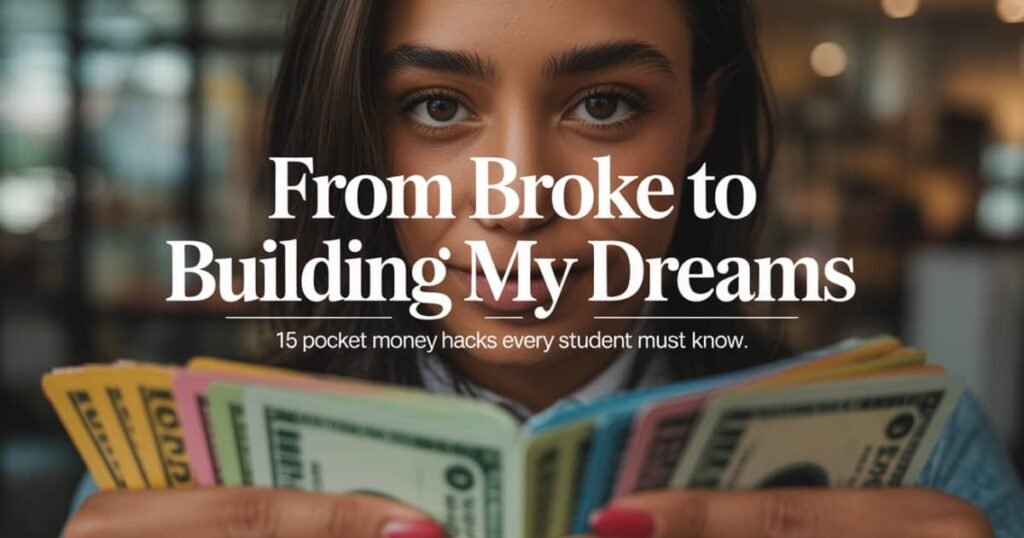
From Broke to Building My Dreams: 15 Pocket Money Hacks Every Student Must Know

Struggling with student finances? Here are 15 powerful pocket money hacks that helped me graduate debt-free and build real financial freedom.

15 Pocket Money Hacks Every Student Must Know

The Night I Had $4.37 Left in My Bank Account15 Pocket Money Hacks

It was 2:17 a.m. in my junior year of college.
I was sitting cross-legged on my dorm-room floor, phone glowing in the dark, staring at my checking account balance: $4.37.

Rent was due in four days. My campus barista job had just slashed my hours (Students Job States Here). My parents were already drowning in medical bills for my little brother. That night I cried the ugly kind of tears — the ones that come with the terrifying realization that you’re completely on your own.

Right there on that cold linoleum floor, I made a promise to myself:
Never again.
Never again would I feel this powerless over money that was actually in my control — my pocket money, my work-study paycheck (Info On Work-Study Here), birthday cash from grandma, the random Venmo tips.

Five years later? I graduated debt-free, self-funded a three-month backpacking trip through Europe, put the down payment on my first car, and built an emergency fund my parents still brag about to their friends. All on what everyone dismissively called “pocket money.”

These 15 hacks aren’t from some finance guru. They’re the exact moves that pulled me out of that $4.37 nightmare. Some will feel brilliantly simple. Others will make you squirm a little — they made me squirm too. But every single one works, no matter where in the world you are.

Let’s start with the mindset shift that changed everything.

Hack #1 – Stop Calling It “Pocket Money”

I used to call it pocket money. Cute. Temporary. Disposable.

One day a guest lecturer said something that hit me like a truck:
“The words you use shape the way you behave. Start calling it what it really is — your first real income.”

That same afternoon I renamed my savings account from “Random Cash” to “My First Income Fund.”
It sounds ridiculous, but the second I saw that new label, something shifted. I stopped treating it like spare change and started treating it like the foundation of my future.

Do this today: Go into your banking app and rename the account (or the jar, or the envelope). Watch how fast your brain starts respecting it.

Hack #2 – The 48-Hour Rule That Saved Me $14,000 in One Year

Every time I wanted something non-essential — new sneakers, late-night Uber Eats, that viral hoodie — I forced myself to wait exactly 48 hours.

80% of the time the urge vanished.
The other 20%? I bought it guilt-free and actually enjoyed it.

By senior year I calculated I’d saved roughly $14,000 just by waiting two days before hitting “add to cart.”

How to start: Make a note on your phone called “48-Hour List.” Screenshot anything you want to buy. Set a reminder for 48 hours later. You’ll delete most of them — and thank yourself later.

Hack #3 – Become a Paid Micro-Influencer (Even With 2,000 Followers)

In sophomore year I had a modest Instagram following because I posted pretty notes and coffee pics. Brands started sending free stuff.

Instead of saying “yes” for exposure, I started replying: “Happy to post — my rate is $80.”
First paid post: $75.
By graduation I was making $2,000–$3,000 a month from sponsored content while still being a full-time student.

Your hobbies already have an audience. Stop giving your influence away for free clothes.

Hack #4 – The No-Spend Week That Felt Like a Superpower

Once a month I did a full No-Spend Week:

  • Zero spending on anything except true necessities (rent, groceries, transit pass, meds).
  • No takeout, no rideshares, no “just one drink” with friends.

The first time was brutal. By month four it became a game I looked forward to.
Average savings per week: $250–$400.
That’s $3,000–$5,000 a year just from seven intentional days.

Hack #5 – Turn Your Meal Plan Into a Side Hustle

My university forced everyone into a $3,800-per-semester dining plan. The food was… edible.

I noticed half the floor hated Wednesday and Friday dinners (mystery-meat-loaf nights). They’d order Domino’s and let their meal swipes go to waste.

I started charging $40 a month to “eat their unwanted dinners.” Within weeks I had 12 clients. I ate for free and pocketed $400 profit per month.

Weird? Absolutely.
Legal and life-changing? Also yes.

Hack #6 – The $1-a-Day Game That Built My Emergency Fund

Every night before bed I transferred $1 (sometimes $2–$5 on good days) to an account labeled “Future Me — Do Not Touch.”

Felt pointless at first — $30 a month? Please.

But 365 days later that became $365 + interest.
By graduation it was over $2,500 — enough to cover a surprise flight home or a broken laptop.

The magic wasn’t the amount. It was the unbreakable daily habit.

Hack #7 – Sell Last Semester’s Textbooks the Day the New Syllabus Drops

Every January and August the syllabus changed 10–20%. Old editions became worthless overnight.

I made it a ritual: the minute the new syllabus was posted, I listed my old books on Facebook Marketplace and group chats with the caption “95% overlap — save $120.”

Sold every book within 48 hours at 70% of original price.
Total earnings across four years: $5,800 — basically one full semester paid for.

Hack #8 – The “Friend Tax” That Made Hanging Out Cheaper (and Better)

Weekends with friends were draining my account.

So I invented the Friend Tax: whoever suggested eating out had to host a potluck the next weekend. We cooked together, spent $12 a head instead of $60, and honestly had way more fun.

Bonus: I learned how to make restaurant-quality pasta on a $4 budget.

Hack #9 – Get Paid to Help Others Pass (Yes, Really)

Juniors were terrified of certain classes (looking at you, Organic Chemistry).
I made a simple Google Form: “$90 and I’ll tutor you for 6 hours until you’re no longer scared of this class.”

Took only four students per semester.
Earned $2,500–$3,500 per semester while revising my own material. Total win-win.

Hack #10 – The 5-Jar System That Removed 90% of My Money Stress

I had five digital “jars” (separate savings buckets in my bank app):

  1. Next Month’s Rent/Bills
  2. Emergency Fund
  3. Travel Dreams
  4. Guilt-Free Fun
  5. Giving (because giving feels incredible)

The second any money came in — birthday cash, tutoring, sold textbooks — I split it instantly by percentage. No overthinking, no temptation.

Hack #11 – Get Paid to Wait in Line

When the new iPhone or PlayStation dropped, people paid $100–$200 cash to hire someone to camp overnight.

I did it four times. Made $600, studied with noise-canceling headphones, and met some cool people.

Same with limited-edition sneakers, concert tickets, or even course registration at 6 a.m. Your time is worth money.

Hack #12 – The Screenshot Trick That Kills Impulse Buys

Before any non-essential purchase, I forced myself to screenshot my current bank balance.

Seeing the actual number — especially when it was lower than I’d romanticized — murdered the impulse 9 times out of 10.

Brutal but effective.

Hack #13 – Keep a “Money Wins” Brag File

I have a note on my phone called “I’m Proud of Myself.”

Every time I saved $30 cooking instead of ordering, earned $150 from a gig, or resisted a sale, I wrote it down with the date.

On days I felt broke, I’d open it and read 50+ small victories. Instant perspective shift.

Hack #14 – The 1% Better Rule

I stopped trying to save $1,000 a month (impossible).
Instead I aimed to be 1% smarter with money every single week.

Some weeks that meant bringing coffee once instead of Starbucks.
Some weeks it meant negotiating my phone bill down $8.
Compounded, 1% weekly became transformational.

Hack #15 – Write a Letter to Broke You

The day I hit $50,000 total saved (still on student-level income), I wrote a letter to the guy crying on the dorm floor with $4.37.

I still carry it in my wallet. It ends with:

“You thought the problem was money.
It never was.
The problem was attention.
Start paying attention, and the money follows.”

Write your own letter tonight.

You’re Not Behind — You’re Right on Time

If you’re reading this feeling that same panic I felt at 2:17 a.m., please hear this:

You are exactly where you need to be to start.

Pick one single hack — just one — and try it this week.
Then come back and tell me (or imagine telling me) how it went.

Because the very best part of my journey has been watching friends who started with even less than me use these same moves and completely change their lives.

You’re next.

I’m rooting for you harder than you know,
Your fellow ex-broke student who finally figured it out

P.S. That original $4.37? Still sitting untouched in an account labeled “Never Again.” Some reminders are worth keeping forever.

Read Also: How to Save Money As A Teenager Without A Job

FAQs:

Q1. My parents only give me $150–$200 a month. Can this still work?
A. Yes — I started with $180. The most powerful hacks on tiny budgets are #1 (rename it), #2 (48-hour rule), #6 ($1 a day), and #4 (No-Spend Week).

Q2. Won’t saying no to going out ruin my social life?
A. Real friends adapt. I actually got closer to mine because we got creative — park picnics, game nights, cooking challenges. You’ll weed out the high-maintenance ones fast.

Q3. Asking for payment (like micro-influencing) feels awkward. Any tips?
A. First time is weird. Tenth time you’ll wonder why you ever felt shy. Worst case they say no and you’re exactly where you started.

Q4. How do I start the jar system with almost nothing?
A. Use free “buckets” or “spaces” in apps like Ally, Capital One, or Revolut. Even $5 in each jar feels powerful.

Q5. What’s the single most important hack?
A. Hack #1 — renaming your money. Everything else flows from treating your allowance/work-study cash like real income. Do that first.

Weekend Side Hustle: Low-Setup Ideas You Can Start in a Weekend

Original price was: $7.99.Current price is: $2.99.

Earn extra income without quitting your job or taking big risks.

Weekend Side Hustle reveals 25 practical, low-cost business ideas you can start fast — from digital services and print-on-demand to local resales and skill-based freelancing.

Category:
Posted on Leave a comment

How to Save Money As a Teenager With No Job

I still remember the exact moment I realized I needed to learn how to save money as a teenager with no job.It was one of those painfully humbling scenes you don’t forget.

How to Save Money As a Teenager With No Job

How to Save Money as a Teenager When You Feel Like You’re Starting With Nothing

It was a Friday afternoon, and a group of friends planned to go out for burgers after school. Something simple. Something everyone else seemed to afford without thinking. I nodded along, pretending I was totally in—until my stomach dropped at the thought of checking my wallet.

Three crumpled dollar bills. A few coins. Nothing else.

That hollow embarrassment burned. I remember quietly saying, “I’ll catch up with you guys later,” hoping nobody asked why. They didn’t. But I still felt like the odd one out, the kid who couldn’t afford a $7 burger.

That moment didn’t just sting—it awakened something in me. A stubborn spark.

That night, lying awake in frustration, I told myself:

“I can’t keep living like someone who has no control over money. Even if I have no job, I have to figure this out.”

And that’s where this journey began—not from some tidy spreadsheet or a financial advisor’s polished guide—but from raw emotion, insecurity, and the desire to stop feeling helpless.

Over time, through dozens of small mistakes, unexpected discoveries, and a surprising number of embarrassing moments, I learned how to save money as a teenager—even without a job. Not by magic. Not by extraordinary luck. But by changing the way I thought, acted, and interacted with the world.

This article is the guide I wish someone had given me then. Not sterile advice. Not generic “cut back on Starbucks”

nonsense.A real story. Real lessons. Real strategies you can actually use.

Let’s begin.

The Day I Stopped Saying “I’m Just a Broke Teenager”

I used to hide behind that identity.It was easy to blame being young for everything I couldn’t afford.

Until one morning, after skipping yet another hangout because I “couldn’t spend money,” I had this uncomfortable realization:

I wasn’t just broke—

I was passively broke.

I wasn’t trying to save.

I wasn’t trying to earn.

I wasn’t trying to understand money.

I was simply accepting being stuck.

The Turning Point

I sat on my bed with a notebook and wrote one sentence on the first page:

“What if I could learn to manage money better than most adults… even now?”

That question changed everything.

Because suddenly, I wasn’t waiting for a job, a paycheck, or permission.

I was taking ownership.And that’s the first step for anyone trying to save money as a teenager with no job:

Take Yourself Seriously Before Anyone Else Does

You might not have a job. You might not have income. You might not have support from your family.

But you do have power: Your choices. Your habits. Your mindset.

Saving money starts there.

Learning to See Money Differently: The “Invisible Money Leaks” That Ruined Me

The first thing I did after my “broke burger day” was track every penny I spent for two weeks.

I expected a short list.I was wrong.

My spending log was an accidental comedy sketch:

  • $1.50 here for vending machine chips
  • $2 for a pack of gum
  • $3 for a random app upgrade
  • $1 for a school fundraiser bracelet I didn’t even want
  • $4 on iced tea every… single… day

It felt small until I added it all up.

In two weeks, I spent more than $50 on absolutely nothing meaningful. And I didn’t even have a job.

The Emotional Punch of Realizing You’re the One Keeping Yourself Broke

That moment was painful— the good kind of painful.

Because once you see the leaks, you start noticing them everywhere.

How You Can Find Your Money Leaks Right Now

Here’s the exercise that changed my life—simple but brutal:

  • For one week, write down every single thing you spend money on.
  • No judgment. Just honesty.
  • Add it up.
  • Circle every purchase you regret.
  • Draw a line through every purchase you didn’t even remember making.

Those circled and crossed-out items?That’s your first savings plan—no job required.

After doing this exercise, if you want a simple, teen-friendly guide to understanding your spending habits and building healthier money awareness, the Consumer Financial Protection Bureau (CFPB) offers excellent free tools and worksheets.

The “Micro-Saving” Rules That Built My First $100

I didn’t start by saving $20 at a time. I didn’t even start by saving $5.

I started by saving coins.

Literal coins.

Because I realized something crucial:

You don’t save money when you suddenly have “extra.”

You save money when you learn to keep the tiny amounts you already have.

My Micro-Saving Rules

Rule #1: Every coin goes in the jar. No exceptions. (Even pennies. Especially pennies.)

Rule #2: Save $1 every time you spend $5. (A self-imposed “mini tax” that made me more mindful.)

Rule #3: When you want something, wait 48 hours. (The number of things I no longer “wanted” after two days was shocking.Rule)

#4: Find value in what you already own before buying something new. (Half of what I thought I “needed” was already somewhere in my room.)

The Day I Hit $100

When I finally counted my micro-savings and saw $101.42 staring back at me, I felt something I’d never felt before:

Financial self-respect.

It wasn’t the amount. It was the proof that I could build something from nothing.

And you can too.

The First Time I Earned Money Without a Job (And How You Can Do It Too)

One Saturday morning, my neighbor saw me sweeping leaves from our sidewalk and casually said:

“You’re really good at that. Want to do my yard for $10?”

I froze.

Me? Earn money?

Like, real money?

That $10 felt like a paycheck worth a thousand.

The “Invisible Opportunities” You Don’t Notice Until You Start Saving

When I started respecting money, money started noticing me back.

I began seeing opportunities everywhere:

  • A family friend needed help cleaning out a garage
  • My cousin needed notes from class
  • A teacher needed help organizing digital files
  • A neighbor wanted her dog walked after school

None of these were official jobs. But all of them paid.

And all of them came from being willing to say:

“Yeah, I can do that.”

A List of 20 Ways to Make Money as a Teenager Without a Job

All tested. All real. All beginner-friendly.

  1. Babysitting
  2. Dog walking
  3. Yard work
  4. House cleaning
  5. Organizing closets/garages
  6. Washing cars
  7. Selling old clothes
  8. Selling textbooks or school supplies
  9. Tutoring younger students
  10. Creating digital art or wallpapers
  11. Reselling items
  12. Fixing/cleaning tech (keyboards, screens, etc.)
  13. Helping seniors with tech setup
  14. Running errands
  15. Offering notes or study guides
  16. Editing videos for classmates
  17. Customizing phone cases
  18. Painting mini murals or room decor
  19. Making custom playlists for events
  20. Doing holiday gift wrapping

The secret wasn’t skill. It was willingness.

If you want to learn how to turn small skills into real income or start your first small service business, the national mentoring nonprofit SCORE provides youth entrepreneurship resources that are extremely beginner-friendly.

The Checklist System That Turned My Savings Into a Habit (Not a Phase)

Anyone can save money for a week. But saving consistently takes structure.

So I built a simple checklist—something I still use today.

The Weekly “Teen Saver” Checklist

  • ✓ Did I spend less than last week?
  • ✓ Did I save something, even if it was 50 cents?
  • ✓ Did I find one new way to reduce or avoid spending?
  • ✓ Did I look for at least one small earning opportunity?
  • ✓ Did I avoid impulse purchases 80% of the time?

Checking off even three of these made me feel in control.

Checking all of them made me feel powerful.

Building a “Teen Budget” That Doesn’t Feel Like Punishment

Let’s be honest:

Teen budgeting usually sounds like:

  • No fun
  • No freedom
  • No treats
  • No social life

But my approach became realistic:

The 50/30/20 Rule (Teen Edition)

This is the rule that changed everything for me.

50% → Basic needs + essentials Food

school supplies, transportation, occasional treats.)

30% → Personal enjoyment

Yes, fun stays in the budget. Financial discipline doesn’t mean financial misery.

20% → Savings

Non-negotiable. Even if the amount is small.

The Unexpected Joy of Budgeting

Budgeting didn’t limit me—it freed me.

Because suddenly I could go out with friends.

I could buy things I actually cared about. I could save for bigger dreams.

And best of all?

I didn’t feel guilty anymore.

How I Saved for My First Big Goal (and What It Taught Me About Patience)

My first big savings goal was a pair of headphones—$85 wireless ones I couldn’t stop thinking about.

For months, it felt impossible.

But something surprising happened:

Saving for something you truly care about changes your behavior.

I found myself saying things like:

  • “Do I want this snack more than I want those headphones?”
  • “Is this app worth delaying my goal?”
  • “If I walk instead of taking the bus, that’s $2 closer.”

The Moment I Bought Them

When I finally held those headphones, it wasn’t about the sound quality.

It was about becoming the kind of person who could set a goal and achieve it.

A person who saved—not because they were forced to, but because they wanted something bigger than temporary pleasure.

You have that power too.

What Saving Money As a Teenager Really Teaches You (That School Never Will)

Looking back, the money I saved was tiny compared to adult expenses.

But the lessons?

They were massive.

Saving Teaches You Discipline Without Pain

You learn to choose long-term reward over short-term impulse.

It Teaches You Confidence Without Ego

You know you can build something meaningful from almost nothing.

It Teaches You Patience Without Resentment

You stop comparing your financial journey to anyone else’s.

It Teaches You Self-Worth Without Overspending

You stop trying to “buy” belonging or validation.

These lessons shaped me more than any class I took.

The Truth: You Don’t Need a Job to Start—You Just Need Momentum

People think saving money is about income. It’s not.

  • Awareness
  • Consistency
  • Creativity
  • Mindset
  • Self-respect

When you master those things as a teenager, you become unstoppable as an adult.

And if nobody has told you this yet, let me be the first:

The fact that you’re learning about money now puts you years ahead of people who wait until life forces them to learn.

You’re not behind.

You’re early.

And early is powerful.

Conclusion: Your Journey Starts With One Small Decision

If you’re a teenager with no job, and you feel stuck, embarrassed, or defeated— I’ve been there. Truly.

But you’re not powerless.

Every coin you save is proof that you can change.

Every decision you make builds your character.

Every small habit is a seed for your future self.

Start small. Stay consistent. Believe in the future you’re building.

You’re not just saving money. You’re saving potential. You’re saving confidence. You’re saving the person you want to become.

Frequently Asked Questions

1. How can I save money with no income at all?

Start with micro-savings: coins, spare change, tiny cuts in daily spending, and saying no to unnecessary purchases. You’d be shocked how fast it grows when done consistently.

2. What’s the fastest way for a teenager to earn money without a job?

Offer simple services: dog walking, cleaning, tutoring, organizing, or selling unused items. People pay for convenience more than you think.

3. How do I stop spending on things I don’t need?

Use the 48-hour rule. Delay every non-essential purchase for two days. Most impulses disappear.

4. How much should a teenager realistically save each month?

There’s no magic number. Even $10–$20 a month builds momentum. What matters is consistency, not the amount.

5. What should I save for as a teenager?

Start with small goals (headphones, clothes, tech), then move to bigger ones (trips, emergency fund, future investments). Goals keep you motivated.

AI Creator Playbook: Grow a Profitable Digital Business With No Followers

Original price was: $6.99.Current price is: $2.99.

AI Creator Playbook is a practical, emotional, and radically honest guide for anyone who wants to earn online, escape burnout, and build a sustainable digital business—without followers, fancy tools, or complicated tech.

Category: